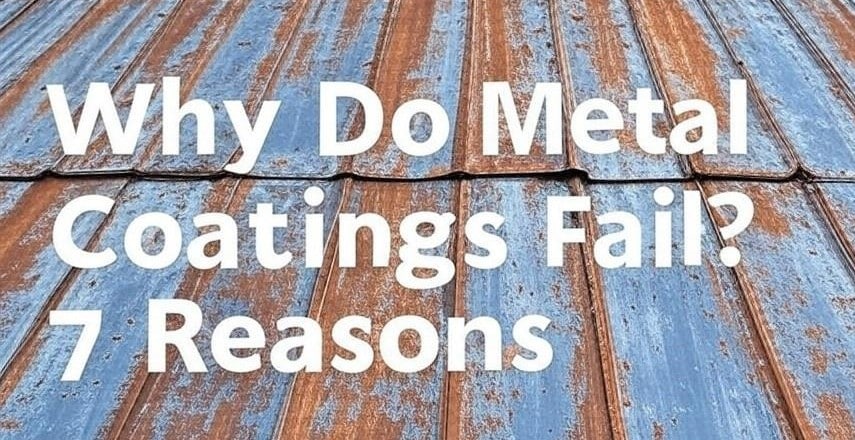
 Is your metal roof coating worn out? Well, you’re not alone, every year thousands of Hawaii residents apply protective coats on their metal roofs to save them from damage. These coatings can be made from silicone, acrylic, elastomers, or polyurethane. However, metal roof coatings often wear out due to multiple reasons, which of course we’ll discuss at length in this blog, along with the solutions to make these coatings last longer. Let’s jump in and find out.
What are Metal Roof Coatings?
Metal roof coatings are the protective layers of paint, polymer, or silicone applied over your metal roof to protect it from corrosion. When choosing a material to coat your roof with, there are several factors you should keep in mind. Start by defining the purpose of the coat. Do you want to protect your roof from corrosion, or to act as an insulating material for your roof? The type of coating that you choose depends on the benefit that you want to extract from it. Now, let’s discuss the types of metal roof coatings and how they can protect your roof. 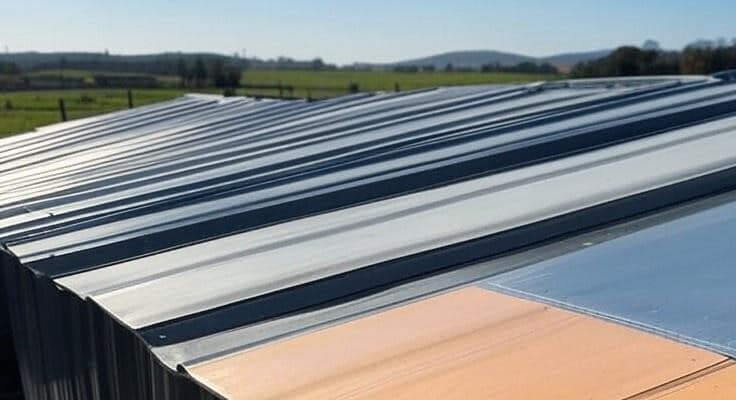
Types Of Metal Roof Coatings
As we have already discussed, there are 4 types of metal roof coatings you can opt for – Acrylic, Silicone, Polyeurahine and Elastomeric. Let’s discuss each one in detail and figure out the one that is best for the conditions in Hawaii.
1. Acrylic Coatings
These are water-based, UV-resistant coatings that offer good UV reflection and cost efficiency. So, if you are looking to protect your metal roof, without paying that extra buck from your pocket, acrylic is for you. However, there is a downside to acrylic metal roof paint. You’ll have to re-apply the coat every 2 to 3 years. This is because acrylic roof coating paint, while being excellent UV reflectors, isn’t so durable.
2. Silicone Coatings
Silicone is a durable material often used as a metal roof sealer. It can be an excellent choice if you want a lasting coat on your roof with waterproofing capabilities. Silicone roof coating works by forming a thin membrane over your metal roof offering excellent protection from leaks and moisture. The only downside is that it attracts dust over time, reducing its reflective capabilities.
3. Elastomeric Coatings
Elastomeric coatings are a great choice when it comes to water resistance, durability, and the ability to withstand changing temperatures without forming cracks. If applied properly these can last up to 15 years. If you are looking for a long-term solution with the benefits of both acrylic and silicone, elastomeric coatings are a great choice.
4. Polyurethane Coatings
Similar to elastomer coatings, polyurethane coatings are extremely sturdy and often used in industrial applications. They reflect UV rays and are ideal for hot conditions, helping you save big on electricity bills. The only drawback is its elasticity; the material isn’t very elastic, which makes it a bad choice for areas with drastic temperature variations. 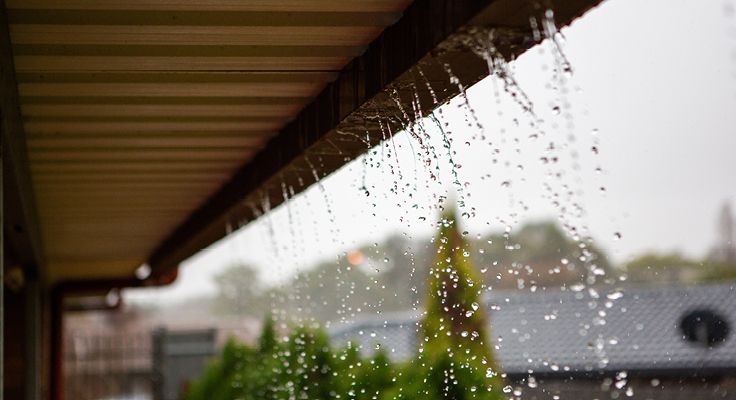
7 Reasons Why Metal Roof Coatings Fail
1. Application Issues
Before applying any type of coating to your metal roof, you must make sure that its surface is properly cleaned, primed, and free from old coatings. Failing to do so, can lead to blisters, peeling, and flaking over time.
2. Environmental Conditions
Harsh environmental conditions like excessive UV rays, heavy rains, and salt water can lead to premature deterioration of your protective layer. Although there is little you can do about these factors, you must ensure that you choose the right coating, which can withstand these conditions.
3. Moisture
If we think about the arch enemies of your metal roof coat, moisture is at the very top of that list. Trapped moisture inside the coat can lead to blistering and bubbling over time, eventually leading to a failed coat and corrosion.
4. Physical Damage
Over time, your metal roof coating might get damaged from hail storms, debris carried by strong winds, or a tree branch falling on it. This can chip away a small part of the coating, and cause corrosion in that area.
5. Bad Quality Material
Using substandard coating and priming material impacts the durability of the protective coat. So, always make sure that you choose the best quality material that is available in the market.
6. Thin Layer
It’s important that you follow the manufacturers’ guidelines and apply an adequate thickness of protective coating on your metal sheet. Thinner layers fail to provide adequate protection against UV radiation and moisture which can cause the coating to peel off within a short time.
7. Lack Of Proper Maintenence
Inspecting your roof for minor issues such as cracks and peeling is important to ensure that is durable in the long term. You should regularly inspect and repair any peel-offs or cracks to avoid corrosion and further degradation of the metal coating. 
The Final Analysis – Why Metal Roof Coatings Fail
So, are metal roof coatings reliable? We’ll it depends. There are numerous factors that determine the durability of your metal roof coating, from the environment to the type of coating material. It’s ideal that you consult your roofer in order to determine the type of coat that’s going to work for you. They will analyze your requirements and provide suggestions based on the utility that you expect from the coating. For example: If you live in a sunny area with excess UV rays, a highly reflective coating material will be ideal for you.
On the other hand, if your roof receives excess rainfall, you’ll need a coating that can protect your metal roof from corrosion and leakage. To sum it all up, choosing the right metal roof coating is important. This along with some other environmental factors will determine if your coating will survive in the long term. In addition, a metal roof coat also needs regular inspection, maintenance, and repair. Talk to a professional before choosing the metal roof coat and you’ll definitely make the right choice. For professional Roof Coating in Honolulu & Roof Coating in Oahu click here.